

Getting started for new users
Get oriented, connect with your team, and start contributing in Atono.
You've been invited to join an Atono workspace. This guide walks you through onboarding and the key areas you'll use to find, understand, and collaborate on work.
1. Accept your invitation and sign in
If you haven't already, click the link in the invitation email to join Atono. Enter your name to set up your account and sign in.
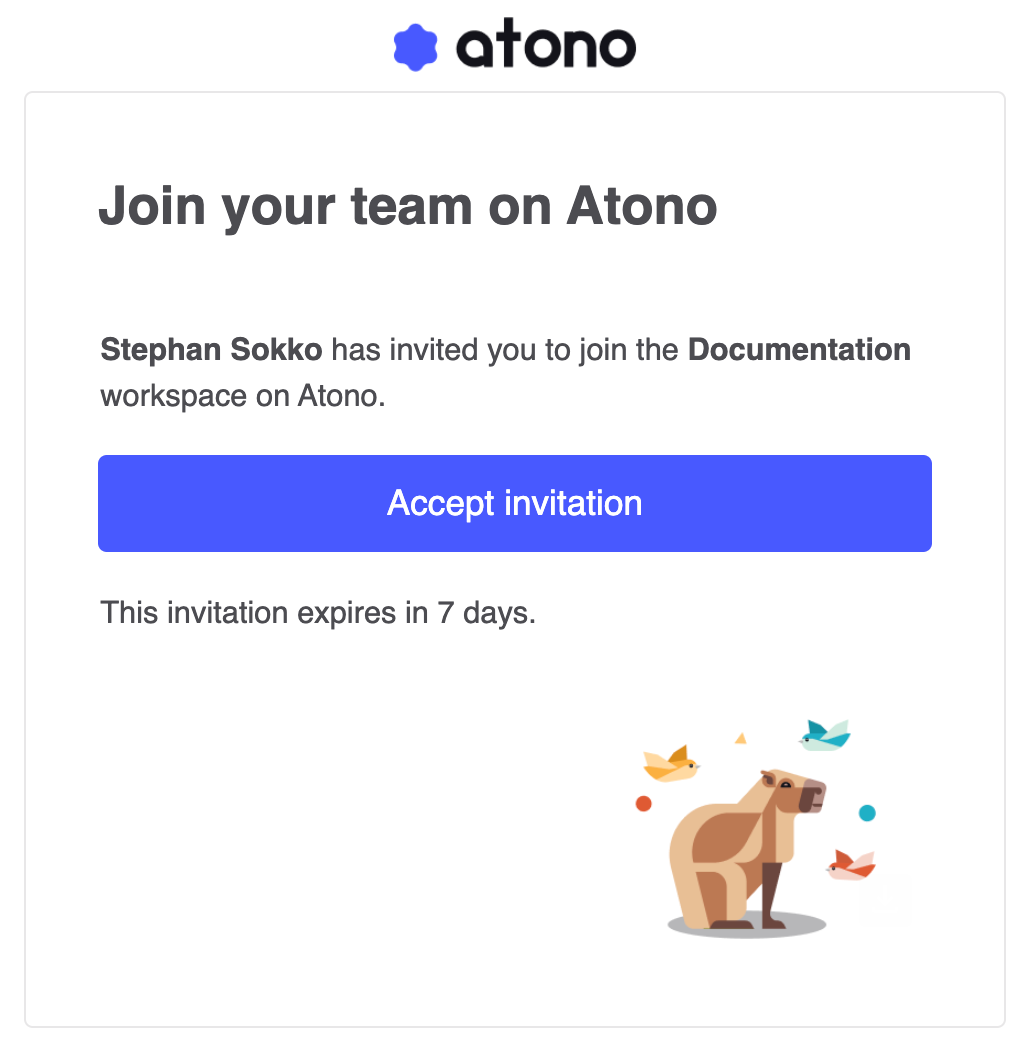
Passwordless login
Atono uses passwordless login for convenience and security. The next time you sign in, just enter your email address, and we'll send you a link to access your account directly.
If your organization has set up single sign-on (SSO), you'll be directed to sign in through your identity provider instead.
2. Connect to Slack
If your team uses Slack, connecting your account to Atono keeps communication tied to your work. Once connected, you can link Slack channels to teams and stories, and Atono will post relevant updates there — like when a team member joins or a feature flag changes.
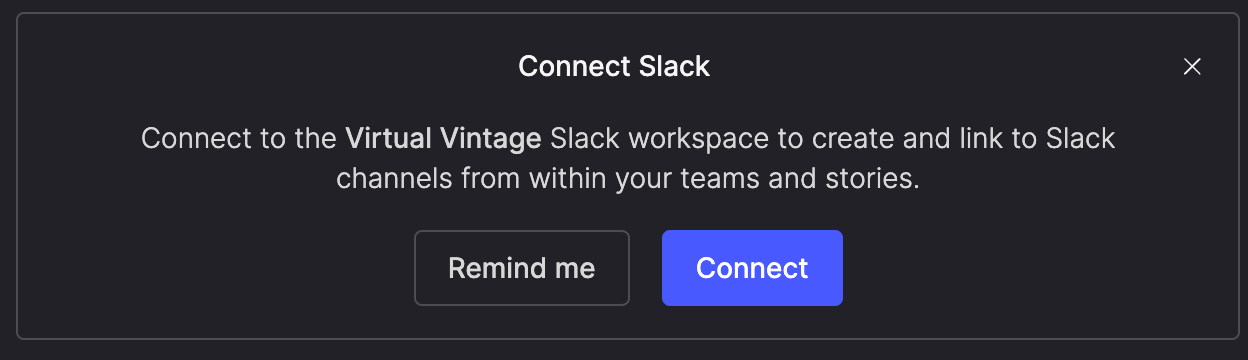
To connect to Slack:
- On your Home page, click Connect.
- Follow the prompts to allow Atono to access your Slack workspace.
For more information about getting set up, connecting Slack channels to teams and stories, and what Atono posts in Slack, check out our Slack integration guide.
3. Join a team
If you're not already part of a team, you'll see a link on your Home page to join one.
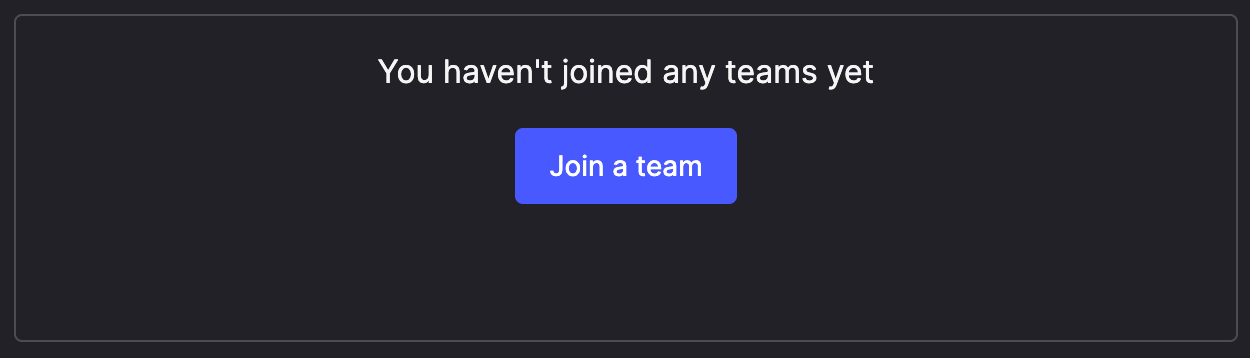
To join a team:
- Click Join a team.
- Search or select the team you want to join, then click Join team.
Once you're part of a team, it will appear in the side panel, giving you quick access to the team overview and backlog.
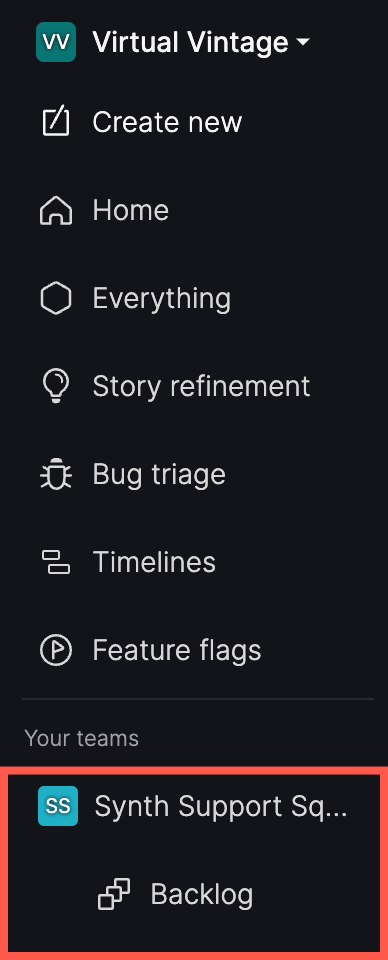
4. View your team's backlog
Your team's backlog is where work gets organized and tracked. Stories and bugs move through a series of workflow steps from start to finish.
If your team uses Kanban, work flows continuously from the backlog into progress as capacity allows. Your In progress page shows the work currently moving through your workflow steps, and your Backlog page shows everything waiting to be picked up.
If your team uses Scrum, work is planned and delivered in time-boxed sprints. Your Backlog page is organized around sprints, and your In progress page shows the active sprint your team is currently working through.
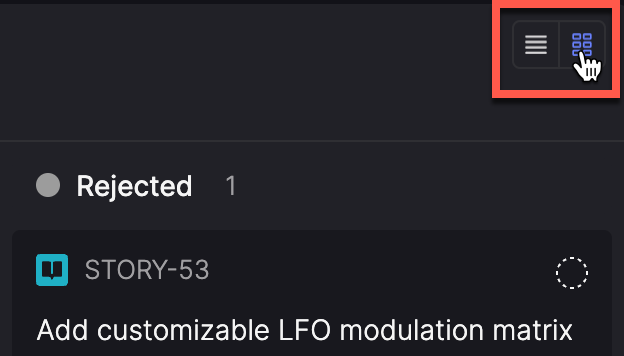
To change your layout view:
On your In progress page, you can toggle between list view and board view using the icons in the header:
Take a moment to familiarize yourself with how your team's work is organized and ask about their process. This will help you understand how work progresses and where you can contribute.
5. Collaborate on stories and bugs
Once you’re in your team’s backlog, you can start collaborating right away.
Use comments to ask questions, share feedback, and capture decisions directly on stories and bugs. Keeping discussions connected to the work helps your team move faster and stay aligned. For more on using comments, see Comments.
Use @mention in a comment to notify a teammate and bring them into the discussion.
Tip: Hover over a teammate’s name or @mention to see their user card with basic profile details.
6. Search and Ask Capy
Atono has two ways to quickly find what you're looking for.
Search
Find stories and bugs by keyword from anywhere in the workspace. Results update as you type and highlight matches across titles, descriptions, and comments. Press Cmd+K (Mac) or Ctrl+K (Windows) to open search quickly from anywhere in Atono.
Ask Capy
Atono's AI assistant. Instead of searching for a specific item, you can ask Capy a question in plain language — like "What happens when a user is reactivated?" — and it will find answers based on your team's completed stories and bugs. It's useful for getting up to speed on how your product works without having to dig through old tickets or wait for someone to reply.
7. Personalize your Home page
Your Home page helps you get started and keep track of work that matters to you.
It includes onboarding resources, such as a checklist of guided walkthroughs and onboarding videos, along with widgets that help you keep track of your work. If you dismiss the onboarding content, you can show it again from the Help menu in the lower-left corner of the web application.
Your Home page comes with two widgets by default:
- Assigned to me: All backlog items currently assigned to you.
- Following: Items you're following.
To follow a story or bug, open it and click the Follow (star) option in the header. It will appear in your Following widget on your Home page, making it easy to keep track of work that matters to you without being directly assigned to it.
You can also add your own widgets by creating a saved view on the Everything page. The Everything page gives you a centralized view of all stories and bugs across your workspace — you can filter and sort by team, workflow step, assignee, and more, then save that view and add it as a widget on your Home page.
For more details, see Home and Saved and shared views.
8. Learn about other features
Now that you've covered the basics, here are some resources to help you take your next steps.
For everyone:
Get up to speed on key terms and concepts in Atono.
Update your display name.
A centralized view of all stories and bugs across your workspace.
Connect related stories and bugs to track dependencies.
Review and restore previous versions of a story or bug.
For developers and technical users:
Connect MCP-enabled AI tools to your Atono workspace.
Report bugs and flip feature flags directly from your application.
Manage feature visibility across environments without deploying code.
Integrate Atono with other tools or build custom workflows.
Pro tipBookmark Atono's online documentation as your go-to resource for quick answers and best practices.
Updated 8 days ago